9041 5644
 1205 Toorak Rd, Camberwell

Breastfeeding Postural Tips: Stay Comfortable and Supported
July 1, 2025
Breastfeeding is a beautiful way to connect with your baby, but it can take a toll on your posture and comfort if not done correctly. Many new mums experience back, neck, and shoulder pain from poor posture during feeding. At Instinct Health, our Women’s Health Physios specialize in helping postnatal mums find comfortable, supportive positions to make this time as enjoyable as possible. Here are our top tips for maintaining good posture while breastfeeding to prevent discomfort and promote long-term health.
- Set Up a Comfortable Feeding Space
Creating a supportive environment can make all the difference. Choose a comfortable chair with good back support and armrests to help you maintain a relaxed posture during feeds.
- What to Use:
- A breastfeeding pillow to support your baby’s weight.
- A rolled-up towel or small cushion for extra lumbar support.
- Why It Helps: Proper support prevents you from hunching forward, which can strain your back and shoulders.
- Bring Your Baby to Your Breast, Not the Other Way Around
It’s common to lean forward to bring your breast to your baby, but this can lead to neck and upper back tension.
- What to Do:
- Sit upright with your feet flat on the ground.
- Use pillows or cushions to elevate your baby to breast height.
- Keep your shoulders relaxed and avoid tensing as you hold your baby.
- Why It Helps: Maintaining an upright position reduces strain on your spine and shoulders. Our Women’s Health Physios often teach new mums how to set up for success during feeds to prevent these common issues.
- Change Positions Regularly
Staying in one position for too long can lead to stiffness and discomfort. Rotate between different breastfeeding positions to distribute pressure across your muscles.
- Positions to Try:
- Cradle Hold: The classic position with your baby’s head resting in the crook of your arm.
- Football Hold: Your baby lies along your side, supported by your arm, with their legs tucked behind you.
- Side-Lying Position: Lie on your side with your baby facing you—perfect for nighttime feeds.
- Why It Helps: Varying positions can reduce muscle fatigue and prevent overuse of specific areas. If you’re unsure about positions, one of our Women’s Health Physios can guide you through them.
- Mind Your Neck and Shoulders
It’s easy to unknowingly tense your neck and shoulders while focusing on your baby. Simple adjustments can prevent discomfort.
- What to Do:
- Keep your chin slightly tucked and your head in a neutral position.
- Avoid craning your neck forward to look at your baby—use a pillow to bring them closer to eye level.
- Why It Helps: Proper alignment minimizes strain on your neck and prevents “tech neck.” Our Women’s Health Physios can also recommend simple stretches to keep your neck and shoulders pain-free.
- Stretch and Reset Between Feeds
Even with good posture, breastfeeding for long periods can leave you feeling stiff. Incorporating gentle stretches can help.
- Stretches to Try:
- Shoulder Rolls: Gently roll your shoulders forward and backward to release tension.
- Chest Stretch: Place your hands on a doorway and gently lean forward to open your chest.
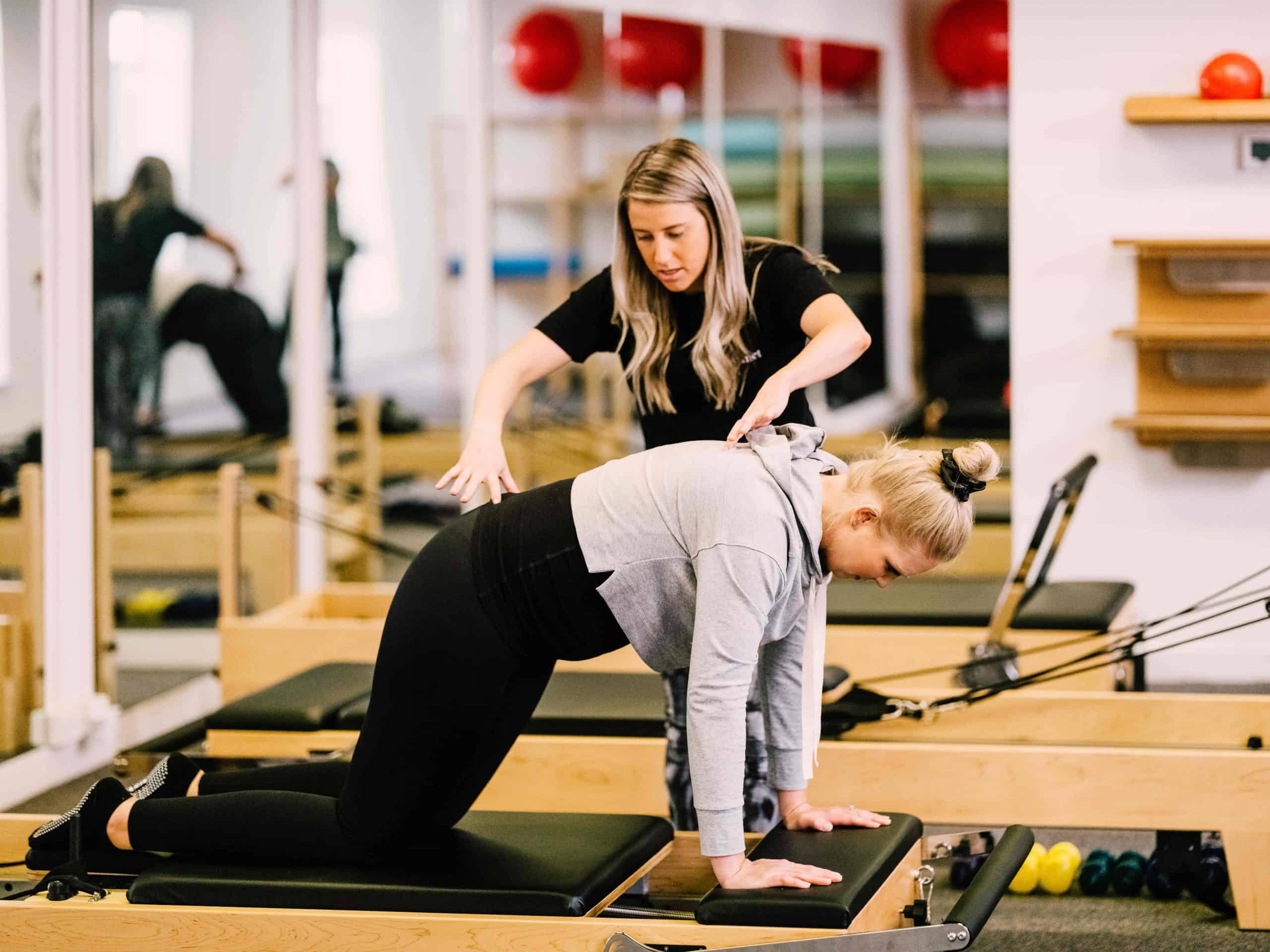
- Cat-Cow Stretch: On all fours, alternate between arching and rounding your back to improve spinal mobility.
- Why It Helps: Stretching resets your posture and keeps your muscles relaxed. Our Women’s Health Physios can teach you these exercises to incorporate into your daily routine.
When to Seek Help from a Women’s Health Physio
If you’re experiencing ongoing pain or discomfort despite following these tips, it’s time to seek advice from a professional. Our Women’s Health Physios are experts in postnatal care and can assess your posture, provide personalized advice, and teach strategies to keep you comfortable during breastfeeding.
Feel Supported Throughout Your Postnatal Journey With Physiotherapy
Breastfeeding should be a joyful and comfortable experience. Book an appointment with one of our Women’s Health Physios at Instinct Health today, and let us help you stay pain-free and supported as you care for your little one.

When Can I Run After My ACL Repair?
What is Round Ligament Pain?